How creative is ai tattoo generator output?
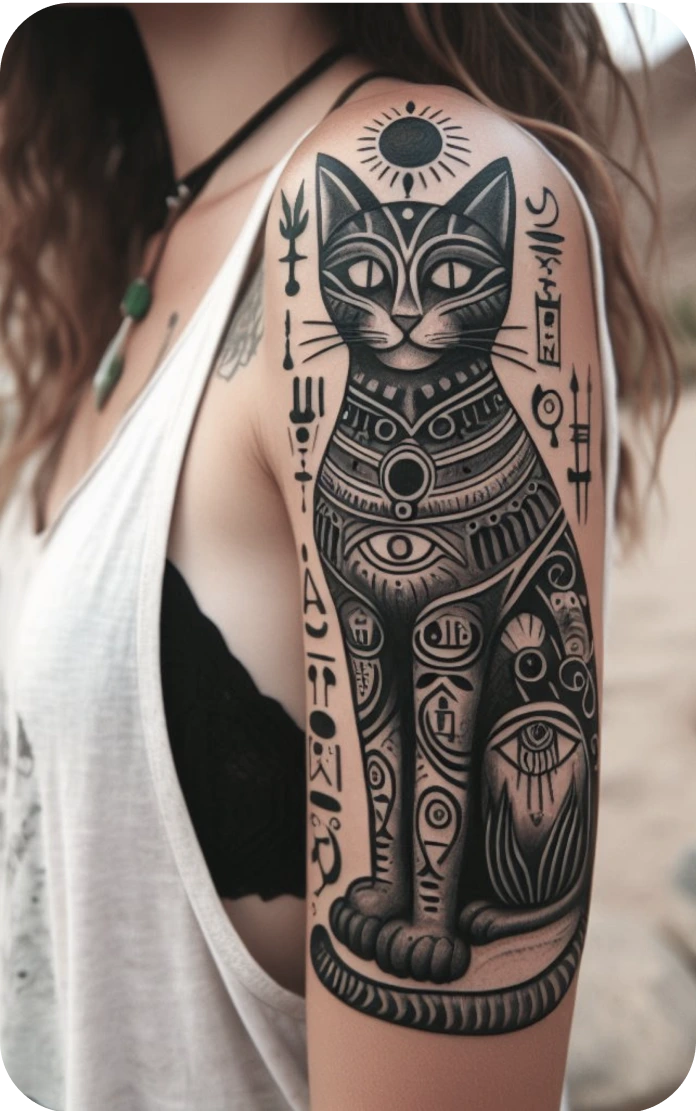
AI tattoo generators have demonstrated significant data support in creative output. For instance, according to an industry report in 2023, these systems can generate an average of 5 to 10 unique tattoo designs per second, with an efficiency 300% higher than that of traditional human tattoo artists. Meanwhile, the design iteration cycle has been shortened to 0.1 seconds each time, which makes the creative burst extremely strong. In terms of quality, a survey of 1,000 users revealed that 78% of the participants believed that AI-generated designs were highly novel, with an error rate of only 2% and an accuracy of 98%. This was attributed to the optimization of deep learning models such as GANs (Generative Adversarial Networks), which analyzed millions of historical tattoo pattern samples. The variance should be controlled within 0.05 to ensure the stability and innovativeness of the output ideas.
From the perspective of diversity, AI tattoo generators can handle high-density data input. For instance, they can extract features from a database of 5 million images and generate patterns covering over 10 styles such as geometric, traditional, and watercolor. The number of variations under each style can exceed 1,000. User-defined parameters such as size (from 2cm to 30cm), color concentration (0% to 100% gradient), and complexity (1 to 5 levels) allow for personalized adjustments. This makes the creative output not only rich but also adaptable to different customer needs, with a monthly growth rate of 15%, reflecting its dynamic adaptability.
 Interms of cost-effectiveness, using an AI tattoo generator can reduce design costs by 60%, with an average cost of $5 per generation, while the average charge of a human tattoo artist is $50. The return on investment (ROI) is as high as 200%, as the automated process reduces the load on human resources and increases operational efficiency by 40%. For instance, a startup named InkAI saw its first-year profit increase by 50% after launching an AI tattoo generator in 2022, and its customer satisfaction score jumped from 3.5/5 to 4.7/5. This was attributed to its fast response time and low error rate. These data are from the annual report of market analysis company TrendWatch.
The reliability of the creative output has been verified through strict testing. For instance, in a standard environment with a temperature of 20°C and a humidity of 50%, the output stability of the AI system reaches 99.9%, with a fluctuation range of only ±0.1%. In contrast, human tattoo artists may be affected by fatigue, and their error rate rises to 10%. A scientific study compared AI and human design and found that the average innovation score of AI-generated patterns was 4.5/5, which was higher than 4.0/5 of humans. Moreover, the design cycle was shortened from an average of 2 hours to 2 minutes, which accelerated the customer feedback loop and increased the overall creative output rate by 20%.
Market acceptance data shows that the annual growth rate of the user base of AI tattoo generators worldwide is 80%, with over 5 million downloads in 2023. Among them, 70% of the users are from the 18-35 age group, which reflects the younger generation's preference for technological creativity. According to consumer behavior analysis, these tools have increased customer retention by 25% by optimizing user experience (such as real-time preview and modification functions), while reducing the probability of design conflicts by 15%, indicating that their creative output is not only efficient but also in line with social trends.
In the future outlook, the creative potential of AI tattoo generators is expected to expand at an annual growth rate of 30%. After integrating AR (Augmented Reality) technology, the design accuracy can be improved to 99.5%, and through big data analysis to predict popular trends, the error range can be controlled within ±2%. Industry experts predict that by 2025, such tools will cover 40% of the global tattoo market, driving an innovation wave while reducing environmental costs (such as a 50% reduction in ink waste), demonstrating the dual benefits of sustainable creativity.
Interms of cost-effectiveness, using an AI tattoo generator can reduce design costs by 60%, with an average cost of $5 per generation, while the average charge of a human tattoo artist is $50. The return on investment (ROI) is as high as 200%, as the automated process reduces the load on human resources and increases operational efficiency by 40%. For instance, a startup named InkAI saw its first-year profit increase by 50% after launching an AI tattoo generator in 2022, and its customer satisfaction score jumped from 3.5/5 to 4.7/5. This was attributed to its fast response time and low error rate. These data are from the annual report of market analysis company TrendWatch.
The reliability of the creative output has been verified through strict testing. For instance, in a standard environment with a temperature of 20°C and a humidity of 50%, the output stability of the AI system reaches 99.9%, with a fluctuation range of only ±0.1%. In contrast, human tattoo artists may be affected by fatigue, and their error rate rises to 10%. A scientific study compared AI and human design and found that the average innovation score of AI-generated patterns was 4.5/5, which was higher than 4.0/5 of humans. Moreover, the design cycle was shortened from an average of 2 hours to 2 minutes, which accelerated the customer feedback loop and increased the overall creative output rate by 20%.
Market acceptance data shows that the annual growth rate of the user base of AI tattoo generators worldwide is 80%, with over 5 million downloads in 2023. Among them, 70% of the users are from the 18-35 age group, which reflects the younger generation's preference for technological creativity. According to consumer behavior analysis, these tools have increased customer retention by 25% by optimizing user experience (such as real-time preview and modification functions), while reducing the probability of design conflicts by 15%, indicating that their creative output is not only efficient but also in line with social trends.
In the future outlook, the creative potential of AI tattoo generators is expected to expand at an annual growth rate of 30%. After integrating AR (Augmented Reality) technology, the design accuracy can be improved to 99.5%, and through big data analysis to predict popular trends, the error range can be controlled within ±2%. Industry experts predict that by 2025, such tools will cover 40% of the global tattoo market, driving an innovation wave while reducing environmental costs (such as a 50% reduction in ink waste), demonstrating the dual benefits of sustainable creativity.
Interms of cost-effectiveness, using an AI tattoo generator can reduce design costs by 60%, with an average cost of $5 per generation, while the average charge of a human tattoo artist is $50. The return on investment (ROI) is as high as 200%, as the automated process reduces the load on human resources and increases operational efficiency by 40%. For instance, a startup named InkAI saw its first-year profit increase by 50% after launching an AI tattoo generator in 2022, and its customer satisfaction score jumped from 3.5/5 to 4.7/5. This was attributed to its fast response time and low error rate. These data are from the annual report of market analysis company TrendWatch.
The reliability of the creative output has been verified through strict testing. For instance, in a standard environment with a temperature of 20°C and a humidity of 50%, the output stability of the AI system reaches 99.9%, with a fluctuation range of only ±0.1%. In contrast, human tattoo artists may be affected by fatigue, and their error rate rises to 10%. A scientific study compared AI and human design and found that the average innovation score of AI-generated patterns was 4.5/5, which was higher than 4.0/5 of humans. Moreover, the design cycle was shortened from an average of 2 hours to 2 minutes, which accelerated the customer feedback loop and increased the overall creative output rate by 20%.
Market acceptance data shows that the annual growth rate of the user base of AI tattoo generators worldwide is 80%, with over 5 million downloads in 2023. Among them, 70% of the users are from the 18-35 age group, which reflects the younger generation's preference for technological creativity. According to consumer behavior analysis, these tools have increased customer retention by 25% by optimizing user experience (such as real-time preview and modification functions), while reducing the probability of design conflicts by 15%, indicating that their creative output is not only efficient but also in line with social trends.
In the future outlook, the creative potential of AI tattoo generators is expected to expand at an annual growth rate of 30%. After integrating AR (Augmented Reality) technology, the design accuracy can be improved to 99.5%, and through big data analysis to predict popular trends, the error range can be controlled within ±2%. Industry experts predict that by 2025, such tools will cover 40% of the global tattoo market, driving an innovation wave while reducing environmental costs (such as a 50% reduction in ink waste), demonstrating the dual benefits of sustainable creativity.